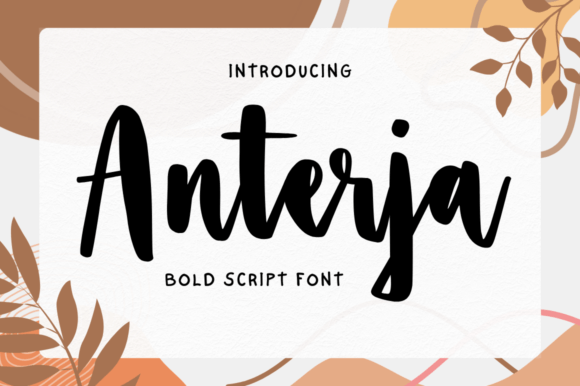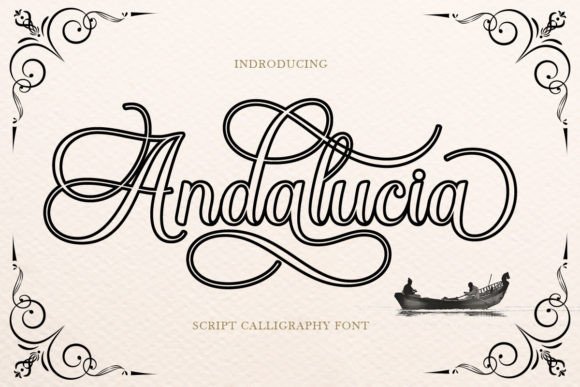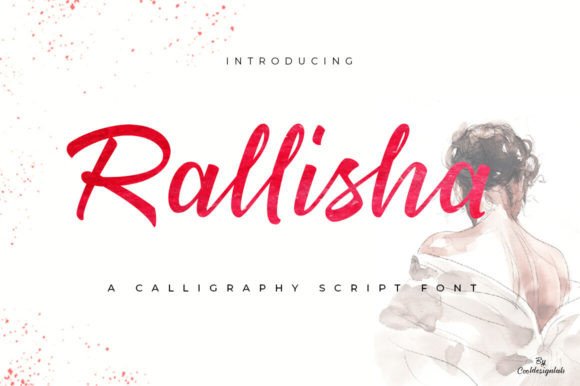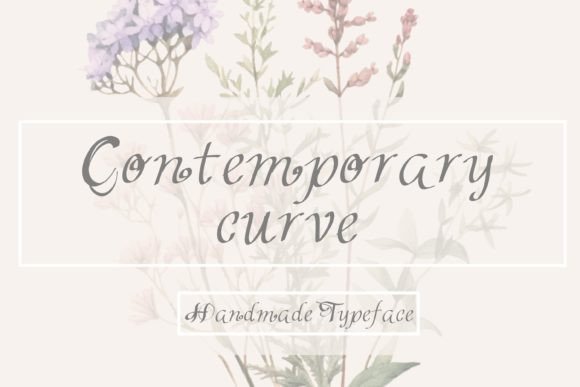
Abakayla Script Font: Elegant, Bold & Made for Makers
There’s that quiet moment—early morning light, coffee steaming, your design software open—when you’re testing fonts for a new batch of soy candle labels. You’ve tried three already: one too delicate for the matte black jars, another too stiff for the “lavender + vanilla” scent story, and a third that just… didn’t *breathe*. Then you load Abakayla. And suddenly, the label feels like it’s already been held in someone’s hands—warm, intentional, quietly confident.
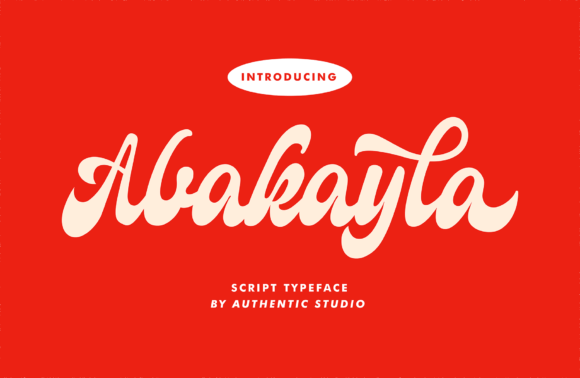
Abakayla is a premium script font with graceful contrast, confident flourishes, and grounded letterforms that balance elegance with approachability. It’s not fussy or overly ornate—it’s bold where it needs to be (hello, product names and shop headers), yet soft enough to whisper “handmade” on a wedding invitation or planner sticker. The uppercase letters carry presence, the lowercase flows with natural rhythm, and the numbers sit cleanly beside them—no awkward sizing or alignment gymnastics required. Whether you're designing for print or screen, Abakayla brings a sense of craft-forward sophistication without demanding perfection from your workflow.
I first used Abakayla on a set of seasonal greeting cards—simple kraft paper stock, blind deboss on the front, and a single line of text inside: “Warmest Wishes This Season.” With Abakayla, that phrase landed like a handwritten note slipped under a door—not stiff, not trendy, just sincerely kind. It worked just as well on a rustic wooden sign for a friend’s farmhouse kitchen (“Bake Joy Here”) and later, scaled down to 8pt on a tiny cotton tag for handmade soap bars. That versatility? It’s rare in script fonts—and essential when you’re juggling real production needs.
For physical products, Abakayla shines where personality meets practicality. On candle labels, it holds up beautifully at 14–20pt with crisp edges—even on textured paper or matte vinyl. For stickers and die-cut tags, I keep it above 10pt for Cricut and Silhouette machines; the letterforms have enough stroke weight to cut cleanly without fragile terminals snapping off. On mugs and tote bags, it reads instantly at arm’s length—especially when paired with a clean sans serif (think Montserrat Light or Inter Regular) for supporting text like “Hand-poured • Small Batch.” That pairing creates instant visual hierarchy: Abakayla says *this is the heart*, while the sans serif says *here’s what you need to know*.
Digital creators will love how Abakayla elevates printable wall art and planner pages. A single word—“Breathe,” “Gather,” “Begin”—in Abakayla against a soft watercolor background feels both grounded and uplifting. It’s equally effective in listing previews: when customers scroll Etsy thumbnails, Abakayla’s confident curves catch the eye faster than generic scripts, helping your digital download stand out in a sea of similar templates. For wedding stationery, it adds warmth without sacrificing clarity—perfect for welcome signs, menu cards, or envelope addressing (just remember to test spacing on your printer before running 50 envelopes!).
Seasonal work is where Abakayla truly sings. I used it last fall for a set of harvest-themed printable tags—“Pumpkin Spice,” “Crisp Air,” “Golden Hour”—and the font’s subtle bounce gave each phrase a little lift, like leaves catching the wind. For holiday packaging, it softened the formality of red-and-gold foil stamping on gift boxes. And yes—it even works on fabric transfers for shirts and tea towels, as long as you avoid ultra-thin strokes in tight letter combinations (like “fi” or “fl”) unless your transfer method supports fine detail.
Before using Abakayla commercially—whether on physical goods, SVG files, Canva templates, or print-on-demand items—always check the license. As a Script Amp font, Abakayla is built for creative professionals and small business owners, but licensing details vary by vendor. Confirm commercial use rights, especially if you’re bundling it into editable templates or reselling designs where the font file itself isn’t embedded. Also take a quick look at what’s included: some versions offer alternate characters, swashes, or ligatures that add polish to logos or monograms—but only if your software supports OpenType features.
Readability matters most where attention is fleeting. Abakayla isn’t meant for paragraphs or ingredient lists—but it’s ideal for headlines, names, titles, and short decorative phrases. If you’re labeling a 2oz lip balm jar, “Rosemary Mint” in Abakayla at 12pt reads clearly next to a minimalist icon. For social media banners, it anchors your brand voice in under three words. And for shop branding—your Etsy banner, Instagram highlight covers, even email headers—it builds recognition fast: consistent, memorable, human.
What makes Abakayla different isn’t just how it looks—it’s how it *works*. It doesn’t ask you to over-design around it. No extra shadows, outlines, or warping needed. Just type, adjust tracking if needed (a little extra space between letters helps on curved surfaces like mugs), and print—or export. It plays nicely with other fonts: try it with a warm serif like Playfair Display for vintage-inspired invitations, or pair it with a friendly handwritten font (like Quicksand or Caveat) for layered texture in digital printables. Even a bold display font can share the stage—Abakayla takes the spotlight for emotion, while the bold font handles impact.
At its core, Abakayla is more than a typeface. It’s a quiet collaborator in your making process—one that understands handmade values: care, consistency, and quiet confidence. It won’t shout over your product, but it will make people pause, lean in, and feel something before they even read the words. That’s the power of thoughtful typography: not decoration, but connection.
So next time you open your design file—whether it’s for a new candle line, a bundle of spring planner stickers, or a set of botanical wall prints—give Abakayla a try. Not as a trend, but as a tool that grows with your shop, adapts to your materials, and stays true to the handmade feeling you work so hard to create.